 The recently published independent study revealing the economic benefits of the Paris 2024 Olympic Games is truly encouraging. As highlighted by the IOC and the Centre de droit et d'économie du sport (CDES) of the University of Limoges, the Games are projected to bring substantial economic, social, and environmental benefits to the Île-de-France region.
From 2018 to 2034, the net economic impact is expected to stem from tourism, construction, and the organization of the Games, generating billions in economic activity. The initiative to invest in long-term infrastructure and community projects, particularly in Seine-Saint-Denis, showcases a commitment to leaving a positive legacy long after the Olympic flame has been extinguished. As someone who has dedicated much of my career to promoting fair play and integrity within the Olympic movement, it's heartening to see the Paris 2024 organizers align their efforts with the IOC’s Olympic Agenda 2020. This approach not only addresses the immediate needs of the host city but also emphasizes sustainability and social responsibility, setting a new standard for future Games. The innovative measures, such as the Social Charter and significant involvement of small and medium-sized enterprises, highlight a forward-thinking approach that benefits local communities and promotes inclusive economic growth. The anticipated reduction in carbon emissions and focus on environmental stewardship further reinforce the commitment to responsible and sustainable development. The Paris 2024 Olympic Games are proving that it is possible to host spectacular events that are economically beneficial, environmentally conscious, and socially inclusive. This model of hosting the Games ensures that its true spirit - unity, respect, and excellence — continues to shine brightly. Original article: https://olympics.com/ioc/news/independent-study-reveals-olympic-games-paris-2024-economically-beneficial-for-host-region #Paris2024 #OlympicGames #EconomicImpact #Sustainability #FairPlay #IOC
0 Comments
 Reading about Alysia Montaño's delayed recognition for her 2012 Olympic bronze medal is both heartbreaking and infuriating. Her story, as highlighted by CNN, sheds light on the profound and lasting impact of cheating in sports. As someone who has dedicated much of my career at the International Olympic Committee (IOC) to combating doping and ensuring fair play, I understand the pain and sense of injustice that comes with knowing your rightful achievements were stolen from you.
Montaño's experience underscores the need for continued vigilance and stronger measures against doping. It's not just about stripping medals from those who cheat; it's about restoring the honor and recognition that clean athletes deserve. The financial and emotional toll on athletes like Alysia is immense, and it's something we are continuing to address. At the IOC, we have always strived to uphold the integrity of sports. I am proud of the efforts we've made in enhancing anti-doping regulations and the medal reallocation process, ensuring that athletes like Alysia eventually receive their due recognition. However, this is a stark reminder that our work is far from over. To all athletes who compete clean: your perseverance and integrity are what truly uphold the spirit of the Olympic Games. We will continue to fight for a fair playing field, where every athlete’s hard work is honored and celebrated in real-time, as it should be. Link to original article: https://edition.cnn.com/2024/04/30/sport/alysia-montano-london-olympics-doping-spt-intl/index.html #OlympicGames #FairPlay #AntiDoping #IOC #AthleteIntegrity #AlysiaMontano  Dear Friends,
On this Memorial Day, we honor and remember the brave men and women who made the ultimate sacrifice for our freedom. Their courage and dedication have shaped our nation's history, and their legacy lives on in our hearts. Let us take a moment to reflect on their heroism and express our deepest gratitude. 🇺🇸 #MemorialDay2024 #HonorAndRemember #AnitaLDeFrantz #Olympian #Veterans #Freedom #Patriotism 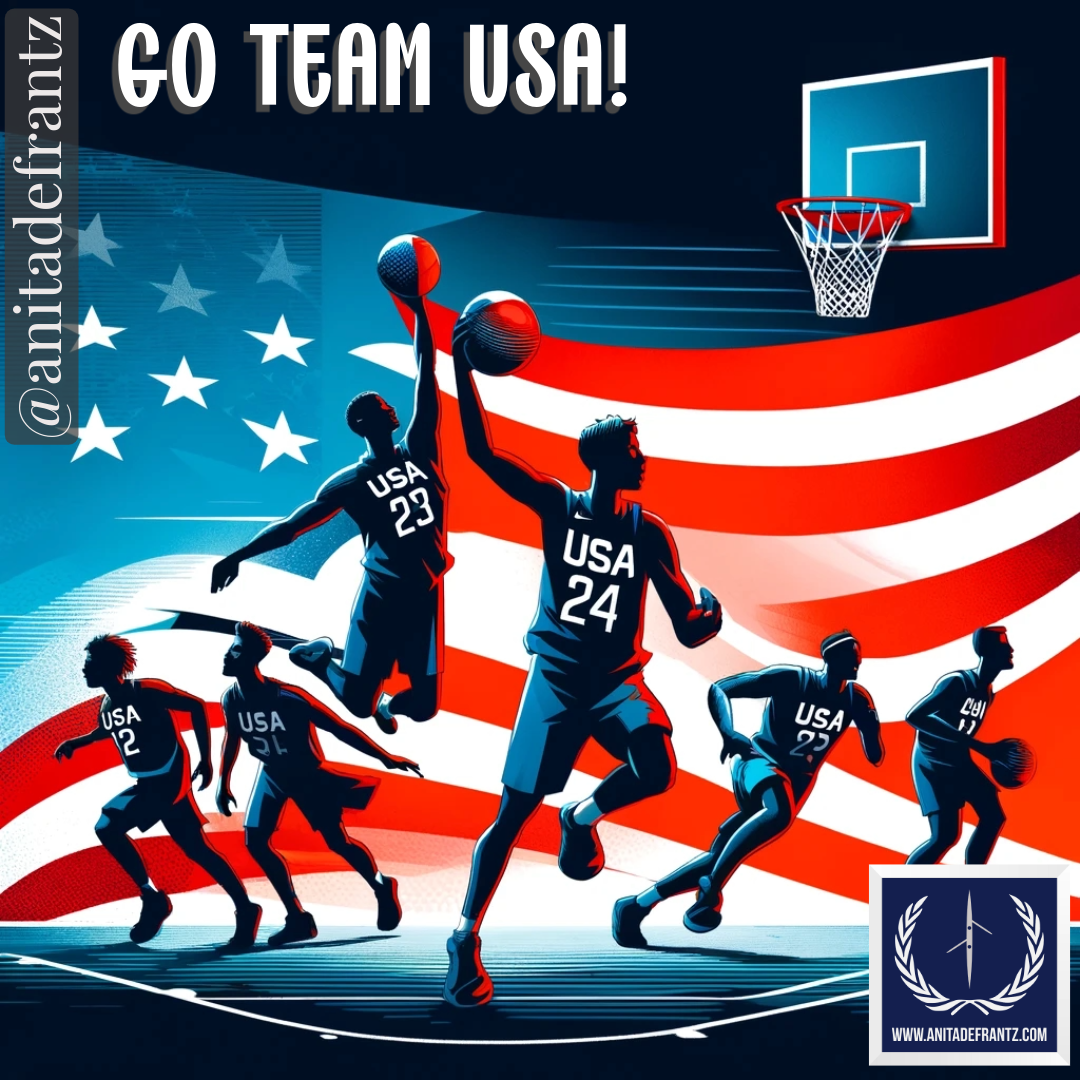 🏀🌟 Exciting news from the land of the free and home of the brave - in other words, my home and place of birth - the USA! LeBron James, Kevin Durant, and a star-studded lineup have been announced as part of Team USA for the Olympic Games Paris 2024. As an American and a longtime advocate for the spirit of the Olympic Games, I'm thrilled to see such incredible talent representing our nation. This team not only showcases the best of American basketball but also our commitment to excellence and sportsmanship on the global stage.
🇺🇸 With multiple Olympic and World Cup medals between them, these athletes embody the relentless pursuit of greatness. It's heartening to see the blend of seasoned Olympians and newcomers, all united by a common goal—gold in Paris! As they prepare to take on the world's best, let's rally behind our team and show them the full support of their fellow Americans. 🔥 Let’s go Team USA! Bring home the gold and make us proud. Your hard work and dedication inspire us all. Here’s to another chapter of American excellence at the Olympic Games. Go USA! 🏅 #TeamUSA #Olympics2024  Last week marked a truly special moment as the flame of the Olympic Games for Paris 2024 was lit in the historic surroundings of Olympia. This ceremony, blending tradition with the aspirations of our modern era, underscores the profound legacy and unifying power of the Olympic movement.
As a lifelong advocate for the Olympic ideals, it's heartening to see how the flame's journey from Greece to Paris symbolizes a broader mission of peace and cooperation among nations. The thoughtful words of IOC President Thomas Bach and Paris 2024 President Tony Estanguet remind us of the transformative potential of the Games—not just as a showcase of sporting excellence but as a beacon for environmental responsibility and equality. This flame does not merely travel; it carries with it the hopes and dreams of athletes worldwide, symbolizing our shared pursuit of excellence and unity. I am inspired by the commitment to making the Paris Games a landmark event, promoting sustainability and gender parity. These Games promise to be a celebration of human spirit and capabilities. As the torch relay progresses, let us all embrace the Olympic spirit of friendship and respect, looking forward to a spectacular gathering in the City of Light. Let the flame kindle in us the resolve to build a better, more inclusive world through the power of sport. 🌍 #OlympicGames2024 #UnityThroughSport  Happy Easter, everyone! As we celebrate this beautiful day, I'm reminded of the incredible journey we all share—both in sports and in life. Easter symbolizes renewal, hope, and joy, principles that resonate deeply within the athletic spirit. Just as we search for Easter eggs, we seek our passions and goals with enthusiasm and determination.
Today, let's cherish the values of teamwork, resilience, and the relentless pursuit of excellence that sports teach us. May this Easter inspire us to embrace new beginnings, face our challenges with courage, and continue pushing the boundaries of what we believe is possible. Wishing you all a joyful Easter filled with love, peace, and happiness. Let's carry the spirit of this day into every practice, every game, and every moment of our lives. 🐣🏅🌷 - Anita #Easter2024 #Renewal #Hope #AthleticSpirit #Teamwork #Resilience #PursuitOfExcellence
Sport is never just sport: Olympics exhibition in Paris reflects 20th century’s highs and lows3/29/2024 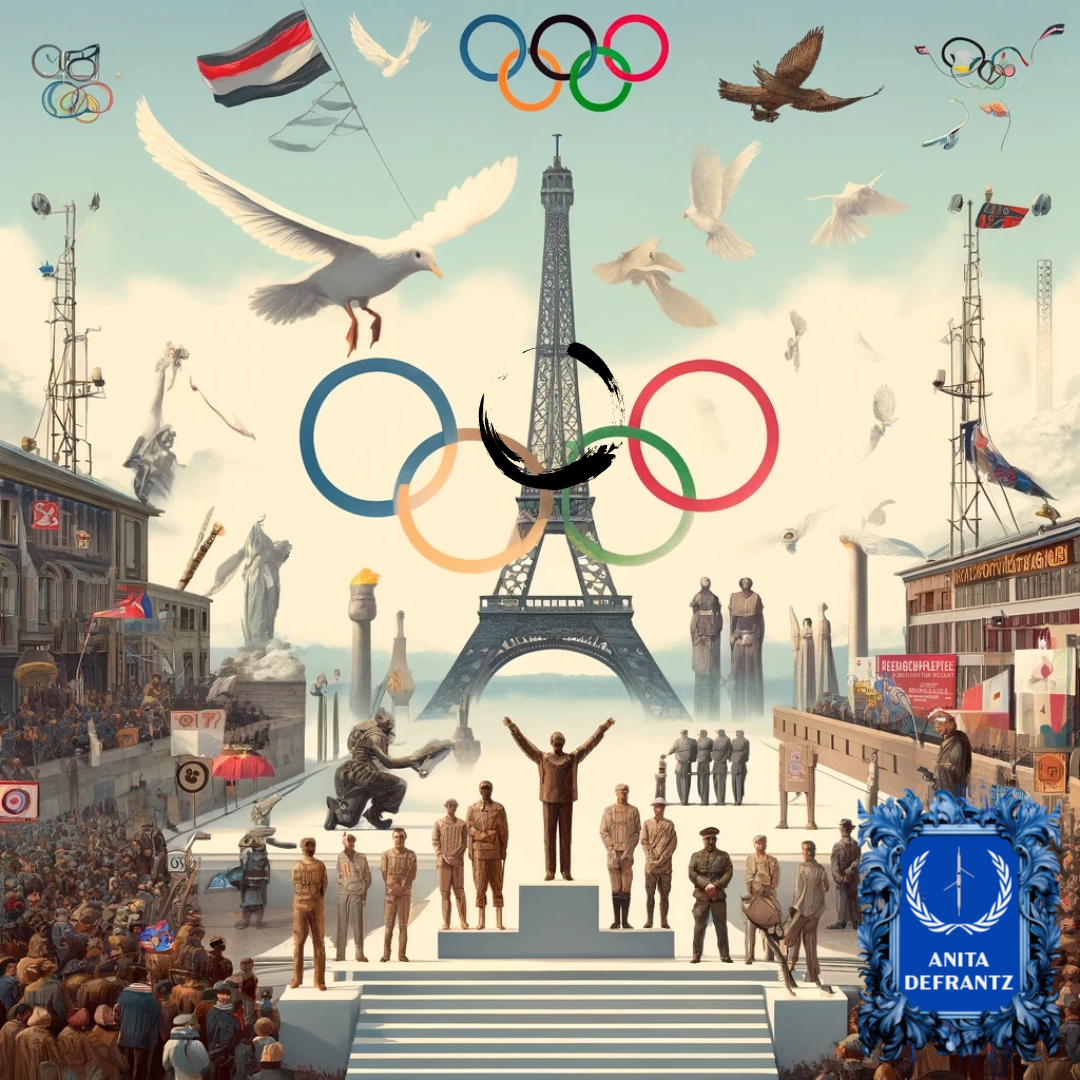 Reflecting on the recent article by The Guardian, "Sport is never just sport: Olympics exhibition in Paris reflects 20th century’s highs and lows," I am reminded of the vast canvas upon which the Olympic Games paint the story of our shared humanity.
From the shadows of the 1936 Berlin Games to the powerful podium protest in Mexico City 1968, the Olympics have been a stage for not just athletic prowess but pivotal moments of social and geopolitical significance. As we look towards the Paris Olympics, set against the backdrop of today’s global challenges, it’s clear that the spirit of the Games continues to evolve, embodying both the triumphs and trials of our times. The upcoming exhibition in Paris, "Olympic Games: Mirror of Our Societies," is a testament to the enduring power of sport to reflect, and sometimes challenge, the currents of our world. It delves into the original pacifist intentions of the Games while unflinchingly examining their use as platforms for propaganda, and venues for voicing the pressing issues of race discrimination, sexism, and more. As someone deeply ingrained in the fabric of the Olympic movement, I am heartened by the exhibition’s aim to trace the complex narratives of the Games, reminding us that through sport, we engage in a broader dialogue about our values, our struggles, and our aspirations for peace and inclusivity. The Olympic flame, relayed from Greece to each host nation, symbolizes not just a tradition of competition but a journey towards understanding and tolerance. This article and the exhibition it describes reinforce the belief that the Olympic Games are much more than a series of sports events; they are a mirror to society, reflecting our collective journey through the 20th century and beyond. I am eager for the Paris Games to carry forward this legacy, showcasing the best of humanity in pursuit of excellence, unity, and global understanding. 👉 Article link: https://www.theguardian.com/sport/2024/mar/28/sport-is-never-just-sport-olympics-exhibition-in-paris-reflects-20th-centurys-highs-and-lows #OlympicLegacy #Paris2024 #MirrorOfSociety #SportForChange Women in the Olympic Games: Olympic pipeline of college sports helping more women reach Team USA3/29/2024 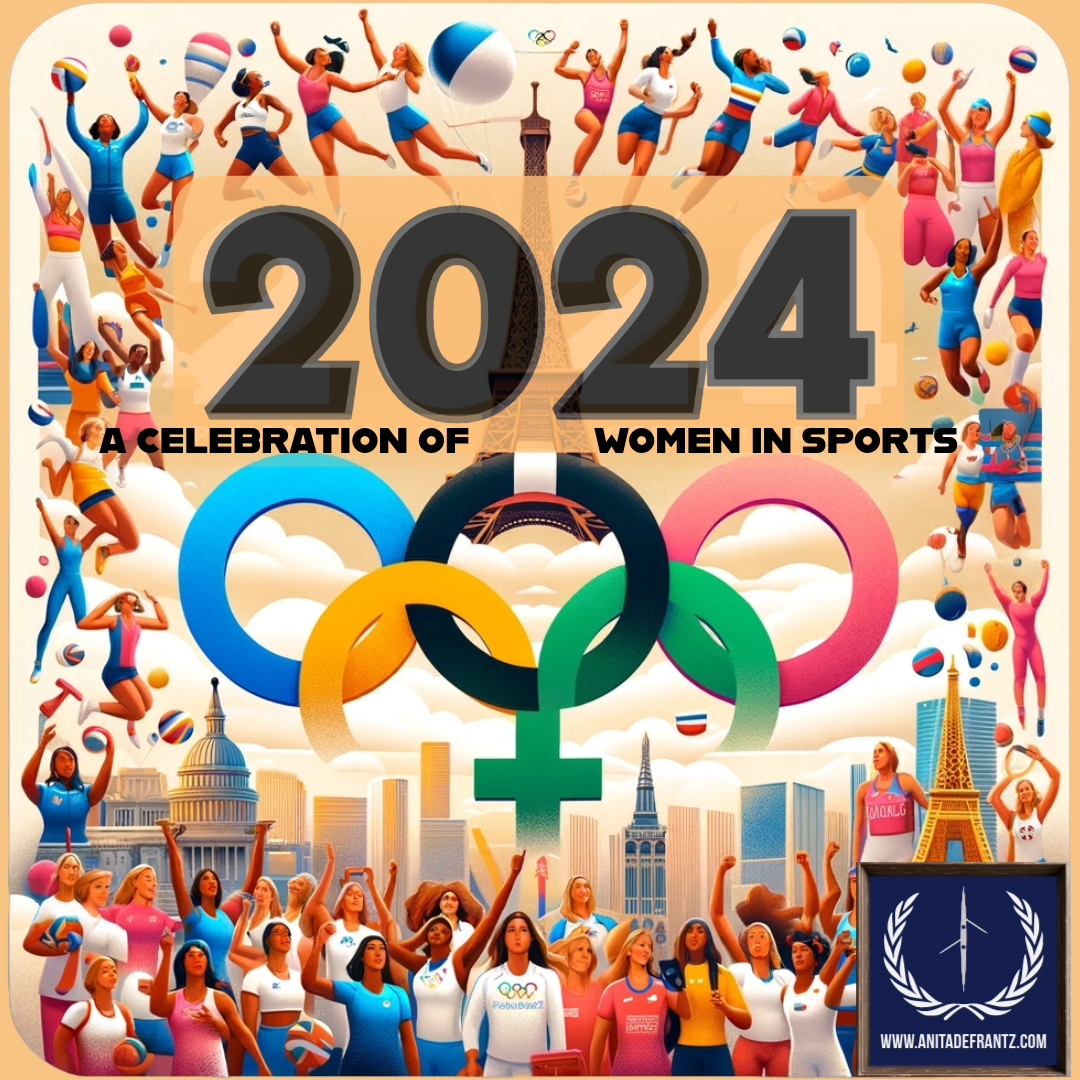 Reflecting on the recent article from the NCAA about women's participation in the Olympics, I am filled with immense pride and optimism for the future of women in sports. The journey towards gender parity in the Olympic Games mirrors the struggles and triumphs we've experienced across all spheres of society, and the upcoming 2024 Paris Games mark a historic milestone with full gender parity: 5,250 men and 5,250 women athletes. This is a testament to the resilience, determination, and incredible talent of women athletes worldwide.
The 2024 Games, hosting for the third time in Paris, where women first competed in the Olympics in 1900, symbolizes how far we have come from the 22 women who paved the way for us among 997 athletes. It's a celebration of progress, marking the first Olympics to achieve full gender parity, a goal long strived for by many, including myself, both on and off the field. Team USA's remarkable journey of increased female participation, greatly aided by Title IX, showcases the transformative power of providing equal opportunities for women in sports. The law's enactment in 1972 and the subsequent 310% increase in female participation on summer U.S. Olympic rosters highlight the vital role of legislation in leveling the playing field. The NCAA has been instrumental in this journey, serving as a formidable pipeline for Team USA, with 70% of the women at the 2020 Games having NCAA ties. It's incredible to see how college sports have not only fostered Olympic champions but have also been a cradle for leadership and excellence beyond the sporting arenas. Women like Jenny Thompson, Dara Torres, and Natalie Coughlin, and legends like Dawn Staley, exemplify the brilliance and resilience of NCAA athletes who have ascended to Olympic glory, setting the gold standard in their respective fields. As we look towards Paris 2024, it's clear that the fight for gender equality in sports and beyond continues to be a relay race of endurance, passed from one generation to the next. We celebrate every milestone, every victory, knowing that each step forward is a stride towards a more inclusive and equitable world. Let Paris 2024 be a beacon of hope, a mirror reflecting not only gender parity but the boundless potential of women in sports. As we cheer for these incredible athletes, let's also commit to nurturing the next generation, ensuring the legacy of female empowerment, leadership, and excellence continues to shine brightly. 👉 Article link: https://www.ncaa.org/news/2024/3/27/media-center-women-in-the-olympic-games.aspx #GenderParity #Olympics2024 #WomenInSports #NCAAtoOlympics #Empowerment 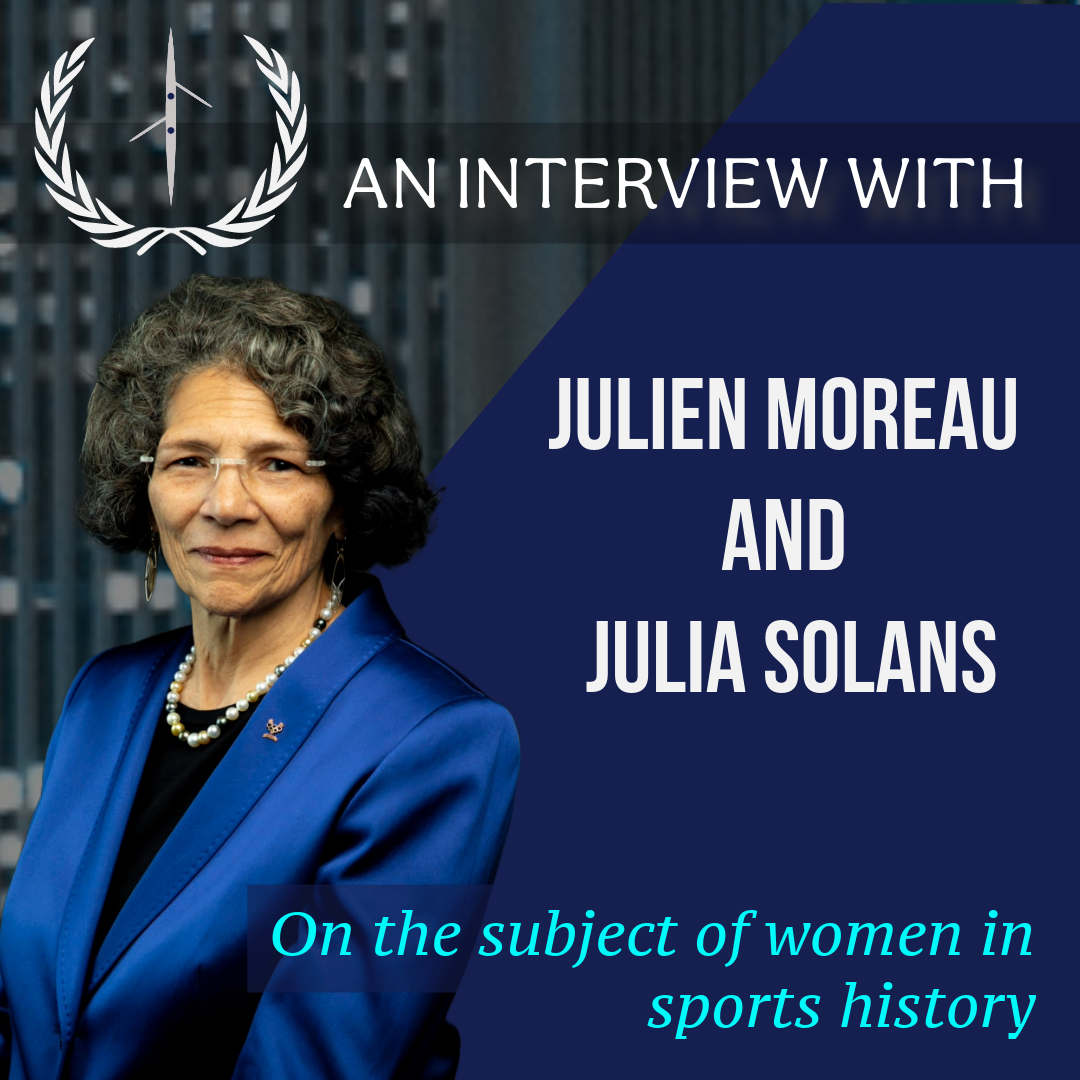 I recently had the privilege of sitting down with Julien Moreau and Julia Solans, two talented journalists and authors in France, for a profound conversation about the evolution of women in the Olympic Games since 1896. This interview, made in support of their upcoming book, has us delve into the past, present, and future of women's participation in the Olympics, the impact of advocacy, and the historical pursuit of equality.
From the lanes of the rowing waters to the corridors of the International Olympic Committee, my path has been intertwined with the ongoing mission for equity, representation, and empowerment in sports. This discussion provided a unique opportunity to reflect on these themes and share insights on the progress we've made and the challenges that lie ahead. A heartfelt thanks to Julien and Julia for this incredible opportunity to contribute to such an important book. Their work in capturing the stories of change-makers and the dynamics of progress in the Olympic movement is truly commendable. Link to the interview on Youtube: https://youtu.be/rkqPTyimWgE #Olympics #WomenInSports #GenderEquality #OlympicGames #Interview #JuliaSolans #JulienMoreau #FrenchSportsJournalism |
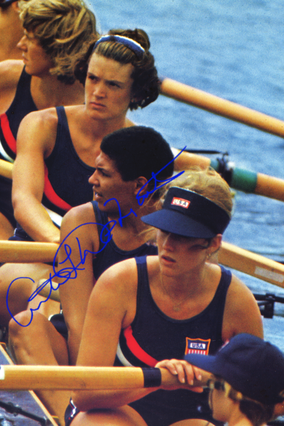
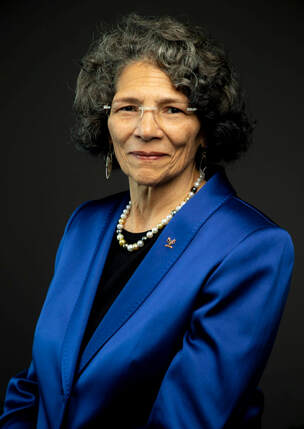
AuthorOfficial blog of author, athlete, and IOC official, Ms. Anita DeFrantz. Archives
May 2024
Categories |

 RSS Feed
|
|
|
Legal Disclaimer:
The information provided on this website is for general information purposes only and is not intended to serve as legal advice. I am licensed to practice law in Pennsylvania and this website is intended to comply with the rules of this state. By using this website, you acknowledge that no attorney-client relationship has been formed and you are advised to seek legal counsel if you need legal advice.
The information provided on this website is for general information purposes only and is not intended to serve as legal advice. I am licensed to practice law in Pennsylvania and this website is intended to comply with the rules of this state. By using this website, you acknowledge that no attorney-client relationship has been formed and you are advised to seek legal counsel if you need legal advice.